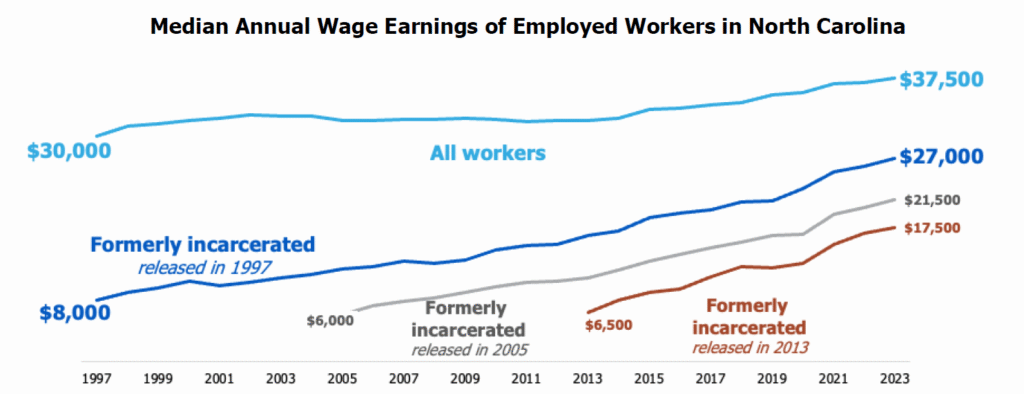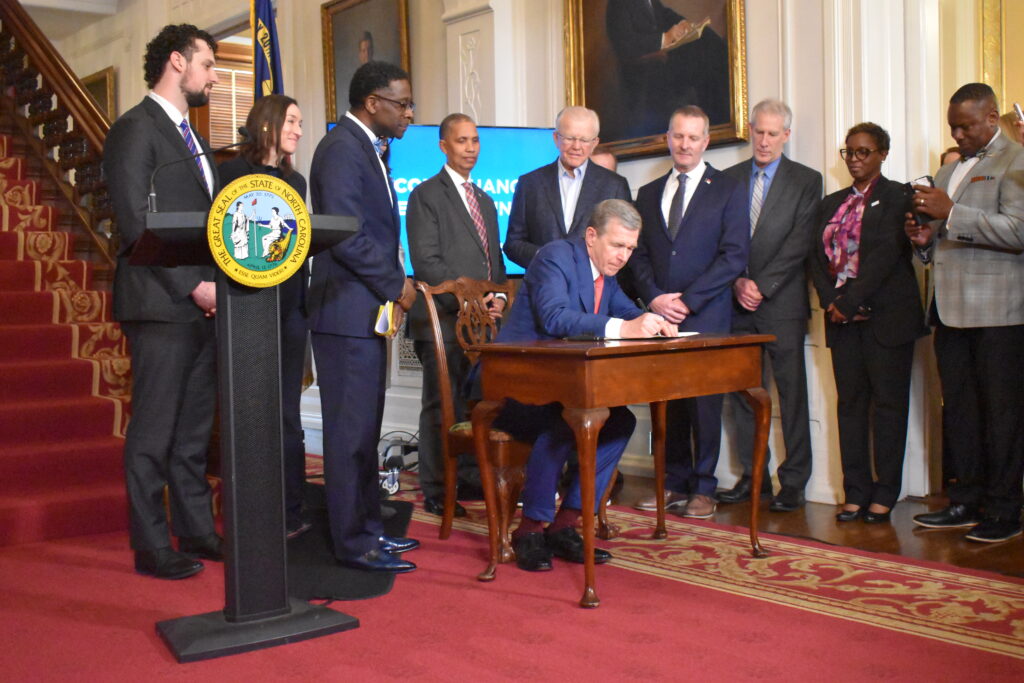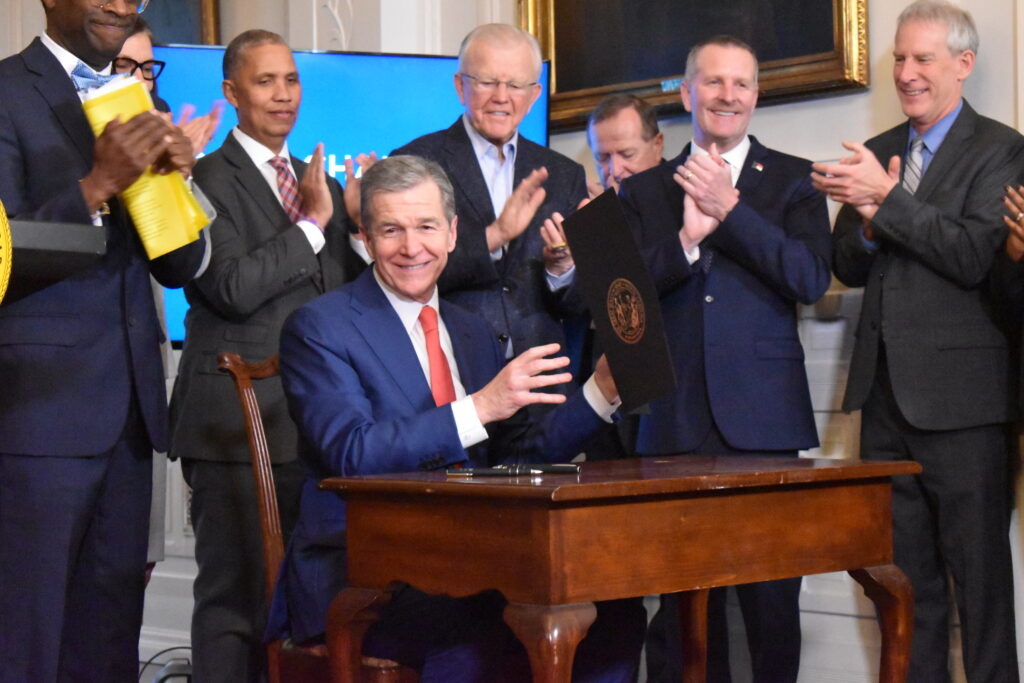
North Carolina joined the national Reentry 2030 initiative in January 2024, deepening the state’s whole-of-government commitment to breaking incarceration cycles by expanding access to housing, health care, and jobs. Through Reentry 2030, the state works with the CSG Justice Center to set and achieve bold new goals to improve life after jail or prison, making communities safer and healthier for everyone.
“95% of incarcerated people in North Carolina will at some point complete their sentences and reenter society, and it makes sense to give them the support and resources they need to be successful and turn their lives around instead of turning back to crime.”
—Former North Carolina Governor Roy Cooper
North Carolina’s Reentry 2030 GOALS*
- Increase the number of local reentry councils to cover all the state’s 100 counties.
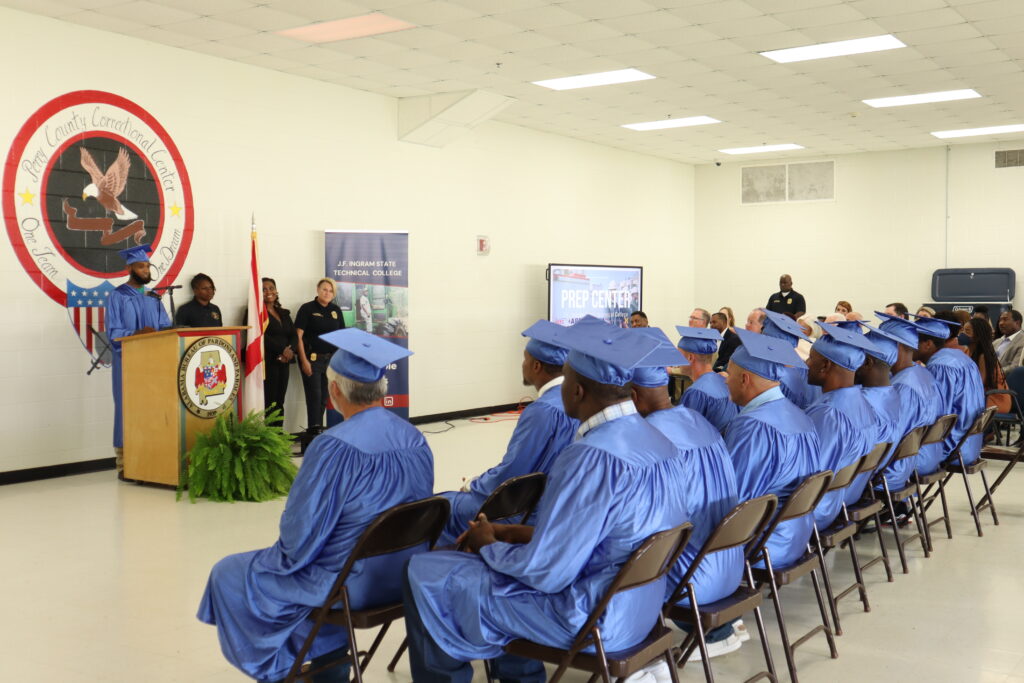
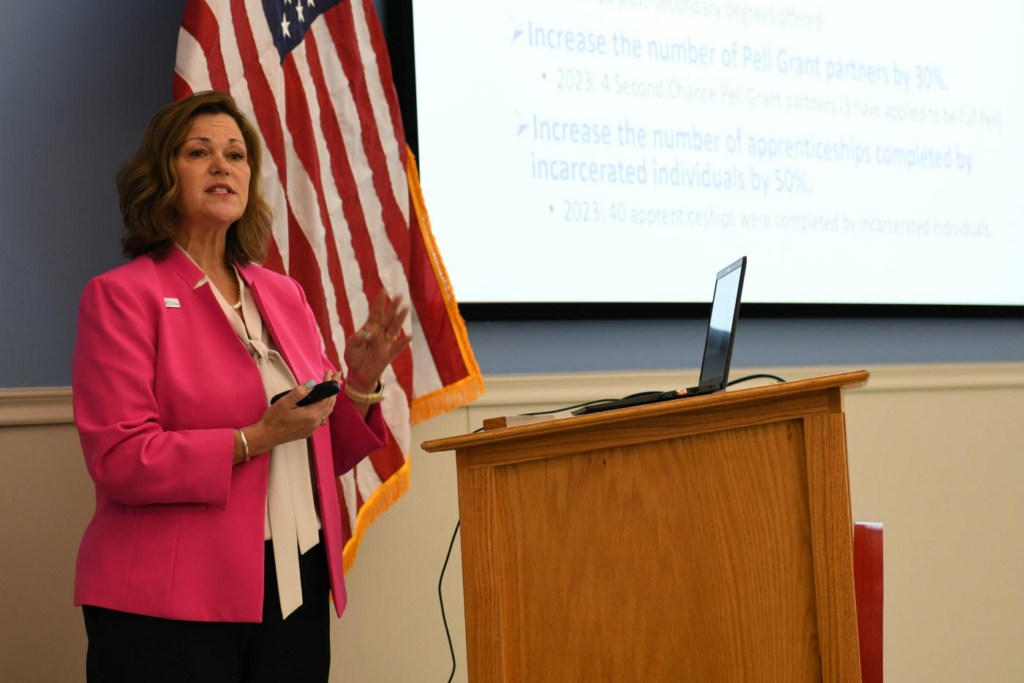
- Increase high school diplomas and other education credentials earned during incarceration by 75%.
- Increase completion of registered apprenticeships and work release participation during incarceration by 50%.
- Ensure Medicaid upon release for 100% of eligible people and treatment upon release for 100% of people diagnosed with serious mental illness, substance use disorders, or significant cognitive impairments.
- Reduce homelessness after incarceration by 50%.
- Increase successful completions of parole by 25%.
*This list does not represent all the state’s goals.
North Carolina’s Reentry 2030 PROGRESS
- Established a statewide reentry council, which serves as a blueprint for other states, and appointed the state’s first lady to the council (Learn about the reentry council’s creation and structure.)
- Created a strategic plan that outlines 26 objectives, 133 strategies, and 95 performance metrics to improve reentry and released the nation’s first Reentry 2030 Dashboard to publicly track the state’s progress toward its Reentry 2030 goals
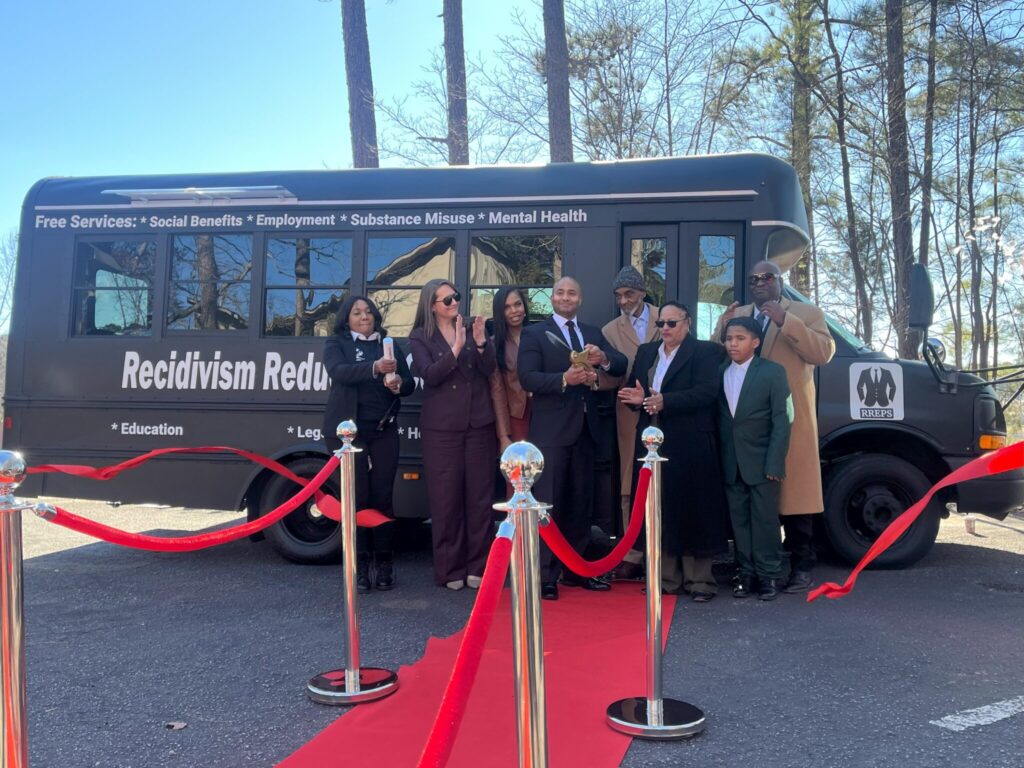
- Launched a phone hotline by Recidivism Reduction Educational Program Services (RREPS) to connect people with resources about jobs, housing, and services that will help them succeed after incarceration
- Launched an RREPS mobile recidivism-reduction center to deliver free reentry services directly to formerly incarcerated people in their community
- Opened the Transportation Work Training Academy in partnership with the state’s transportation department to train formerly and currently incarcerated people for jobs in highway construction
- Hosted reentry simulations with the governor’s cabinet to build understanding of reentry challenges, as well as simulations inside prisons to help people who are incarcerated understand the reentry process
- Published a searchable, online database of all coursework and apprenticeships available to incarcerated people at each prison
- Secured $99 million to strengthen community-based mental health and substance use services for people after incarceration
- Increased the number of adult state prisons providing medication for opioid use disorder to people releasing to the community
- Created a senior housing policy position in the corrections department
Contact Megan Pfeiffer for more on North Carolina’s Reentry 2030 initiative. View all Reentry 2030 states.
North Carolina’s Reentry 2030 NEWS