Nebraska joined the national Reentry 2030 initiative in February 2024, deepening the state’s whole-of-government commitment to breaking incarceration cycles by expanding access to housing, health care, and jobs. Through Reentry 2030, the state works with the CSG Justice Center to set and achieve bold new goals to improve life after jail or prison, making communities safer and healthier for everyone.
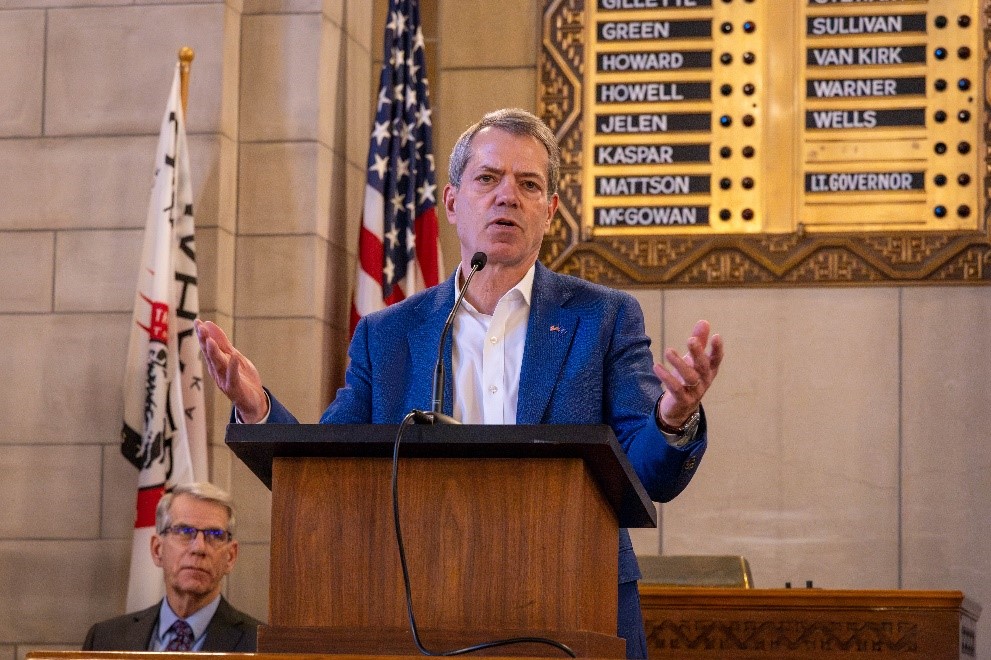
“By setting bold goals, fostering collaboration, and embracing innovation, we aim to build a state where every individual, regardless of past challenges, can reintegrate with safety, intentionality, and purpose.”
—Nebraska Governor Jim Pillen
Nebraska’s Reentry 2030 GOALS
- Create a statewide reentry council of public, private, and service provider entities.
- Enroll 100% of eligible people who are incarcerated in Medicaid.
- Help 100% of people secure identification and birth certificates prior to release.
- Increase GED completions during incarceration by 30% and college coursework enrollment by 50%.
- Increase vocational and life skills program participants by 25%.
- Increase employment rate within 30 days of parole placement to 90%.
Nebraska’s Reentry 2030 PROGRESS
- Launched a state reentry council called the Transform Nebraska Network (Learn about the council’s creation and structure.)
- Expanded medication treatment for opioid use disorder to all corrections facilities statewide
- Opened a new residential mental health unit for men who are incarcerated
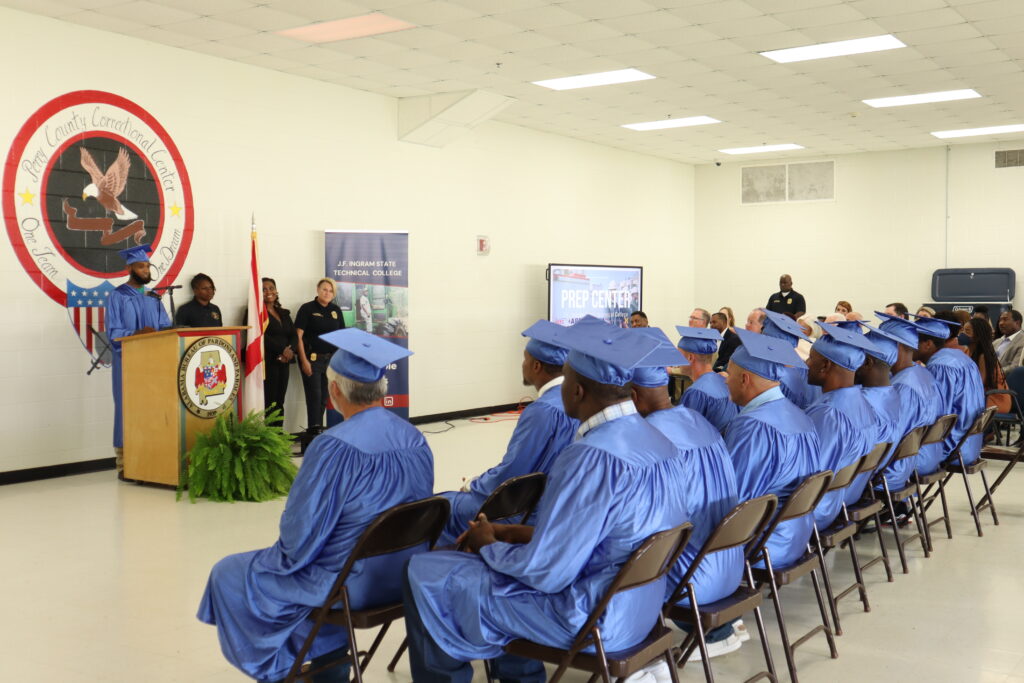
- Expanded postsecondary education access in partnership with local community colleges and state universities—one of which became one of the nation’s first institutions to receive Pell-eligible Prison Education Program approval
- Transferred parole supervision to the corrections department to strengthen continuity of care during and after incarceration
- Launched a reentry readiness tool to help incarcerated people and staff identify and address gaps before release
- Implemented a warm handoff between incarceration and parole staff to ease the transition, reduce anxiety, and build familiarity with community supervision staff before release
- Trained community-based partners to facilitate evidence-based reentry programming that can lead to meaningful careers
- Implemented a family support program to prepare spouses, parents, children, and other family members for the return of their loved one
- Hosted the national Correctional Education Association Conference through the Nebraska Consortium for Post-Secondary Education in Prisons
Contact Nicole Jarrett for more on Nebraska’s Reentry 2030 initiative. View all Reentry 2030 states.
Nebraska’s Reentry 2030 NEWS